Mahasarakham University have a policy to ensure that food in Mahasarakham university and that comes from sustainably farmed food and aquatic ecosystems is sustainably harvested in 2023-2025
Sustainable consumption is the efficient consumption of goods and services to meet essential life needs, utilizing just enough and minimizing waste. This approach reduces negative impacts across economic, social, and environmental dimensions. It operates under the concept of sustainable production, ensuring that manufacturing processes meet necessary demands without causing environmental damage and creating resource circularity. This includes selecting environmentally friendly raw materials and technology, efficiently managing production processes to enhance productivity, and effectively managing post-consumer waste. For instance, regarding food services, raw materials should be sourced from sustainable farming and sustainably harvested aquatic ecosystems. Mahasarakham University recognizes the importance of this policy, aiming to ensure that food preparation at the university uses clean and safe raw materials, and to initiate sourcing from sustainable farming and sustainably harvested aquatic ecosystems.
Compliance policy:
1. Initiate, select, and support food vendors and restaurants within the university that use clean and safe raw materials sourced from sustainable farming and sustainably harvested aquatic ecosystems.
2. Support for research and academic services related to projects, activities, and issues concerning food ingredients and their production sources that are derived from sustainable farming and sustainably harvested aquatic ecosystems.
3. Conduct campaigns and organize activities for sustainable consumption under the concept of sustainable production for the university community.
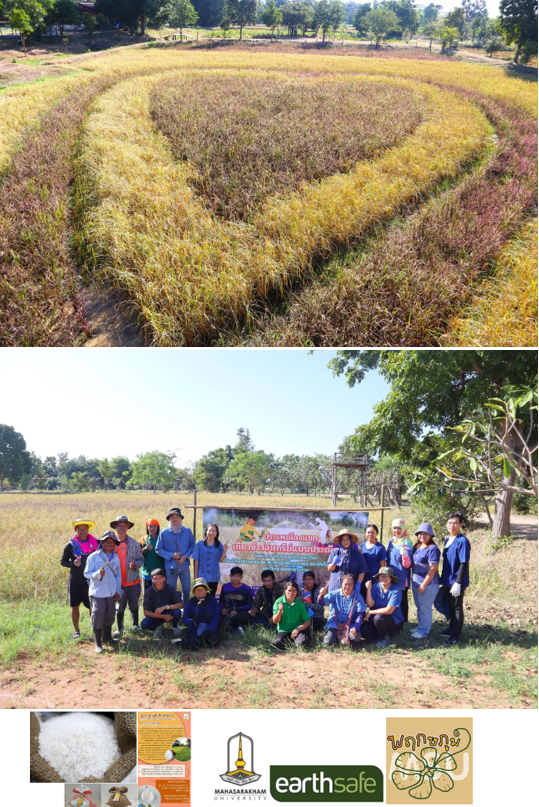
Policy to ensure that food in Mahasarakham university and that comes from sustainably farmed food and aquatic ecosystems is sustainably harvested in 2023-2025
1. Title: Policy to ensure that food in Mahasarakham university and that comes from sustainably farmed food and aquatic ecosystems is sustainably harvested
2. Authority: Asst. Prof. Sudarat Thanonkeo Ph.D,
Director Walairukhavej Botanical Research Institute (WRBRI)
3. Purpose of this Policy: To ensure that food preparation at Mahasarakham University uses clean and safe raw materials sourced from sustainable farming and sustainably harvested aquatic ecosystems.
4. Date of Incorporation: 1 May 2023
5. Date of Review: Once in 2 years
Sustainable consumption is the efficient consumption of goods and services to meet essential life needs, utilizing just enough and minimizing waste. This approach reduces negative impacts across economic, social, and environmental dimensions. It operates under the concept of sustainable production, ensuring that manufacturing processes meet necessary demands without causing environmental damage and creating resource circularity. This includes selecting environmentally friendly raw materials and technology, efficiently managing production processes to enhance productivity, and effectively managing post-consumer waste. For instance, regarding food services, raw materials should be sourced from sustainable farming and sustainably harvested aquatic ecosystems. Mahasarakham University recognizes the importance of this policy, aiming to ensure that food preparation at the university uses clean and safe raw materials, and to initiate sourcing from sustainable farming and sustainably harvested aquatic ecosystems.
Compliance policy:
1. Initiate, select, and support food vendors and restaurants within the university that use clean and safe raw materials sourced from sustainable farming and sustainably harvested aquatic ecosystems.
2. Support for research and academic services related to projects, activities, and issues concerning food ingredients and their production sources that are derived from sustainable farming and sustainably harvested aquatic ecosystems.
3. Conduct campaigns and organize activities for sustainable consumption under the concept of sustainable production for the university community.
นโยบายอาหารในมหาวิทยาลัยมหาสารคามมาจากแหล่งการทำฟาร์มอย่างยั่งยืนและแหล่งระบบนิเวศทางน้ำที่มีการเก็บเกี่ยวผลผลิตอย่างยั่งยืน พ.ศ. 2566-2558(Policy to ensure that food in Mahasarakham university and that comes fromsustainably farmed food and aquatic ecosystems is sustainably harvested in 2023-2025)
1. ชื่อนโยบาย: อาหารในมหาวิทยาลัยมหาสารคามมาจากแหล่งการทำฟาร์มอย่างยั่งยืนและแหล่งระบบนิเวศ
ทางน้ำที่มีการเก็บเกี่ยวผลผลิตอย่างยั่งยืน
2. ผู้มีอำนาจ/ผู้รับมอบหมาย: ผู้ช่วยศาสตราจารย์สุดารัตน์ ถนนแก้ว ผู้อำนวยการสถาบันวิจัยวลัยรุกขเวช
3. วัตถุประสงค์: เพื่อสร้างหลักประกันแก่ผู้บริโภคว่าการประกอบอาหารในมหาวิทยาลัยมหาสารคามวัตถุดิบ
มีความสะอาดและปลอดภัย ที่มาจากการแหล่งทำฟาร์มอย่างยั่งยืนและแหล่งระบบนิเวศ
ทางน้ำได้รับการเก็บเกี่ยวผลผลิตอย่างยั่งยืน
4. วันที่เริ่มนโยบาย: 1 พฤษภาคม 2566
5. ระยะเวลาในการทบทวนนโยบาย: 2 ปี ทบทวน 1 ครั้ง ครั้งต่อไป พฤษภาคม 2568
การบริโภคอย่างยั่งยืน คือ การบริโภคสินค้าและบริการเพื่อสนองความต้องการที่จำเป็นต่อชีวิตอย่างมีประสิทธิภาพ โดยบริโภคอย่างพอดีและให้เหลือทิ้งน้อยที่สุด ซึ่งเป็นการลดผลกระทบเชิงลบทั้งในด้านเศรษฐกิจ สังคม และสิ่งแวดล้อม และภายใต้แนวคิดของการผลิตอย่างยั่งยืนเพื่อให้กระบวนการผลิตมุ่งตอบสนองความต้องการที่จำเป็นโดยไม่สร้างความเสียหายแก่สิ่งแวดล้อมและพร้อมที่จะสร้างการหมุนเวียนทรัพยากรกลับมาใช้ใหม่ ตั้งแต่การเลือกใช้วัตถุดิบและเทคโนโลยีที่เป็นมิตรกับสิ่งแวดล้อม การบริหารจัดการกระบวนการผลิตให้มีประสิทธิภาพเพื่อเพิ่มประสิทธิผลการผลิตและการจัดการของเสียหลังการใช้ ตัวอย่างเช่นในเรื่องอาหารที่ให้บริการควรใช้วัตถุดิบมาจากแหล่งการทำฟาร์มอย่างยั่งยืนและแหล่งระบบนิเวศทางน้ำได้รับการเก็บเกี่ยวผลผลิตอย่างยั่งยืน มหาวิทยาลัยมหาสารคามเห็นถึงความสำคัญในนโยบายเพื่อสร้างหลักประกันแก่ผู้บริโภคว่าการประกอบอาหารในมหาวิทยาลัยมหาสารคามวัตถุดิบมีความสะอาดและปลอดภัย รวมถึงริเริ่มให้มีที่มาจากแหล่งการทำฟาร์มอย่างยั่งยืนและแหล่งระบบนิเวศทางน้ำได้รับการเก็บเกี่ยวผลผลิตอย่างยั่งยืน
แนวทางการปฏิบัติตามนโยบาย
1. ริเริ่ม คัดเลือกและสนับสนุนผู้ประกอบการร้านอาหารในหน่วยงานที่ใช้วัตถุดิบสะอาด ปลอดภัย มีแหล่งที่มาจากการทำฟาร์มอย่างยั่งยืนและในระบบนิเวศทางน้ำได้รับการเก็บเกี่ยวผลผลิตอย่างยั่งยืน
2. ให้การสนับสนุนการศึกษาวิจัยและการบริการวิชาการเกี่ยวกับโครงการ/กิจกรรม ประเด็น วัตถุดิบประกอบอาหารและแหล่งผลิตที่ได้จากการฟาร์มอย่างยั่งยืนและในระบบนิเวศทางน้ำได้รับการเก็บเกี่ยวผลผลิตอย่างยั่งยืน 3. มีการรณรงค์และจัดกิจกรรมการบริโภคอย่างยั่งยืนภายใต้แนวคิดของการผลิตอย่างยั่งยืนแก่ประชาคมในหน่วยงานมหาวิทยาลัย